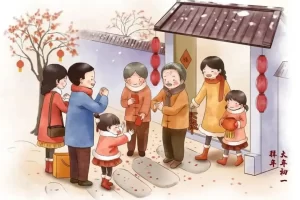
Spring Festival is the grand festival in the Chinese-speaking world that carries countless beautiful hopes. People pray for peace and health, prosperity in wealth, and family happiness in the new year. From ancient times to the present, a whole set of delicate and interesting folk taboos has developed. These customs, passed down from generation to generation, are mainly intended to avoid bad luck, drive away misfortune, welcome blessings and joy, and protect a smooth and worry-free year.
Are you curious about which behaviors are traditionally taboo during the New Year? Below is a list of 16 things not to do during Spring Festival. Folk belief holds that these details can affect the fortune of the new year.
1. Avoid saying unlucky words
Spring Festival is a time to welcome blessings and good fortune. In traditional Chinese culture, words carry strong psychological suggestion and energy direction. Try not to mention words such as death, illness, poverty, or ruin, so as not to spoil the festive atmosphere or invite bad omens.
Say more auspicious words such as peace, health, making a fortune, and may all your wishes come true. This is not only blessing others but also using language to inject positive energy into the new year and protect the joyful family atmosphere.
2. Avoid sweeping the floor or taking out the trash on the first day of the New Year
Folk belief holds that blessings and wealth gather in the home during the festival. Sweeping the floor and taking trash outside on the first day of the New Year is believed to sweep away the family’s wealth and good luck along with it.
A thorough cleaning is usually postponed to the fifth day of the first lunar month, “Po Wu,” when people welcome the God of Wealth. This symbolizes accumulating wealth and praying for a full and prosperous year.
3. Try to avoid taking medicine
Actions at the beginning of the new year are seen as omens for the whole year. Taking medicine is directly associated with illness and weakness. Taking medicine on the first day of the New Year symbolizes being accompanied by illness for the whole year and implies poor health. This custom carries people’s simple wish to stay away from disease.
⚠️ Note: This is not a hard rule. In case of a sudden emergency, you should still take medicine.
4. Avoid breaking objects
Breaking bowls, plates, mirrors, and other items is regarded in folk belief as “breaking good luck,” foretelling financial loss or trouble in all matters.
If something is broken accidentally, immediately say 岁岁平安 (suì suì píng ān). “岁” (year) and “碎” (broken) are homophones, and this is a small way to dissolve disaster and turn it into good fortune.
5. No quarrels, and do not punish children
As the saying goes, “Harmony brings wealth” and “A harmonious family prospers in everything.” Quarreling and scolding break family harmony and foretell constant disputes throughout the year. Even if children are naughty and make mistakes, guide them patiently and maintain a peaceful atmosphere at home. Pray for family harmony and smooth interpersonal relations all year, and start the new year with harmony.
6. Do not lend money or collect debts door-to-door
Money transactions during the New Year symbolize the direction of the year’s wealth. Lending money out represents wealth leaking away and foretells financial loss; visiting someone’s door to collect debts brings bad luck to the other person’s new year and easily creates conflict.
Tradition holds that the New Year should be a time to gather wealth, not scatter it. All kinds of financial disputes should be settled before Spring Festival if possible, praying for stable and abundant wealth in the new year.
7. Do not cut your hair during the first lunar month
The Chinese character “发” (hair) has the same pronunciation as “发” in “发财” (making a fortune), linking it to flourishing wealth. Cutting hair during the first lunar month implies cutting off wealth and vitality, which is unfavorable for welcoming blessings in the new year.
Haircuts are generally postponed until the second day of the second lunar month, Dragon Heads-raising Day, when the earth returns to spring and all things revive. This represents bidding farewell to the old and welcoming the new, and hoping for a thriving career and fortune.
8. Avoid washing hair or clothes on the first day of the New Year
In traditional folk custom, water represents wealth and blessings. Washing hair and clothes on the first day of the New Year implies washing away wealth and blessings together, leading to loss of money. Another legend says the first day is the birthday of the Water God, and using large amounts of water would offend the Water God and incur displeasure. The purpose of this taboo is to keep the family’s blessings and ensure stable wealth throughout the year.
9. Avoid using scissors and needles
Sharp objects such as scissors and sewing needles imply “cutting off” good luck and opportunities, and can easily invite gossip and disputes. The festival emphasizes rest and tranquility. Try to touch sharp objects as little as possible, praying for smooth and peaceful days, harmonious relationships, and continuous wealth.
10. Do not wear old or torn clothes
Wearing new clothes at New Year symbolizes bidding farewell to the old and welcoming the new, and the renewal of all things. Wearing old or torn clothes is regarded as declining fortune and brings negative psychological suggestions. Changing into brand-new clothes carries the longing for new changes and hopes for a life that keeps improving.
11. Do not let others reach into your pockets
In Chinese folk custom, pockets, wallets, and jewelry boxes are containers for gathering blessings and money. During the New Year, blessings gather on a person. Letting others reach into your pocket represents money flowing out and wealth leaking away.
12. Avoid giving gifts in odd numbers
Chinese people value good things coming in pairs. Even numbers represent completeness, harmony, and auspiciousness; odd numbers often symbolize loneliness and incompleteness, implying bad luck. For New Year gifts, try to prepare them in pairs, such as two bottles of liquor or paired pastries, symbolizing double blessings and harmonious marriage.
13. Be careful about wearing black and white clothes
Black and white are traditionally used mostly for funerals and mourning. They carry a solemn and sorrowful feeling and lack a festive atmosphere. At New Year, prefer red and gold: red symbolizes happiness, prosperity, and warding off evil; gold represents wealth and nobility.
14. Do not sleep late or be lazy during the day
Being lazy and sleepy on the first day of the New Year implies being sluggish and inactive for the whole year. Getting up early to worship gods and ancestors and being active represents diligence and progress, carrying respect, and praying for energetic spirits, smooth success in all matters, and a striving and productive year.
15. Do not drink porridge or eat coarse, simple meals during the New Year
In ancient times, only poor families with insufficient food drank porridge. Drinking porridge at New Year foretells a whole year of poverty and lack of food and clothing. The New Year’s Eve dinner and festival meals must be rich and abundant, symbolizing no worries about food and clothing, and a well-fed and well-clothed year ahead. This carries the longing for a better life.
16. Avoid killing living creatures during the first lunar month
Spring Festival emphasizes treating living beings kindly and letting all things rest and recover. Killing and seeing blood spoil the joyful atmosphere and invite disaster involving bloodshed. All meat ingredients should be prepared in advance. Do not slaughter living creatures on the festival day. This represents harboring kindness, accumulating virtue, and praying for family peace and freedom from disaster.
Conclusion
These folk taboos, passed down for thousands of years, are more of a cultural psychology in modern society. They carry people’s beautiful expectations for the new year and their reverence for life. Following these customs is essentially about attracting good luck, gaining auspicious psychological suggestions, and creating a warm and harmonious family atmosphere—not blind superstition.
Whether or not you strictly follow them, understanding these taboos can help you deeply understand Chinese culture. May your new year be smooth and successful, free from all taboos, and filled with endless good luck!