There is a long-standing saying in China: Food is the first necessity of the people. Therefore, during Spring Festival, the most important traditional festival, food naturally takes center stage. The New Year’s Eve dinner is not just a feast for the taste buds; it also carries the Chinese people’s reverence for nature, their commitment to family ethics, and their sincere wishes for a happy life. So what traditional dishes appear on the lunar New Year table? And what beautiful meanings lie behind each dish?
Recommended reading:
Chinese New Year 2027: Sumary, Traditions, Zodiac and Food
25 Fun Facts and Q&As About Chinese New Year
Chinese New Year Taboos: 16 Things You Should Never Do During Spring Festival
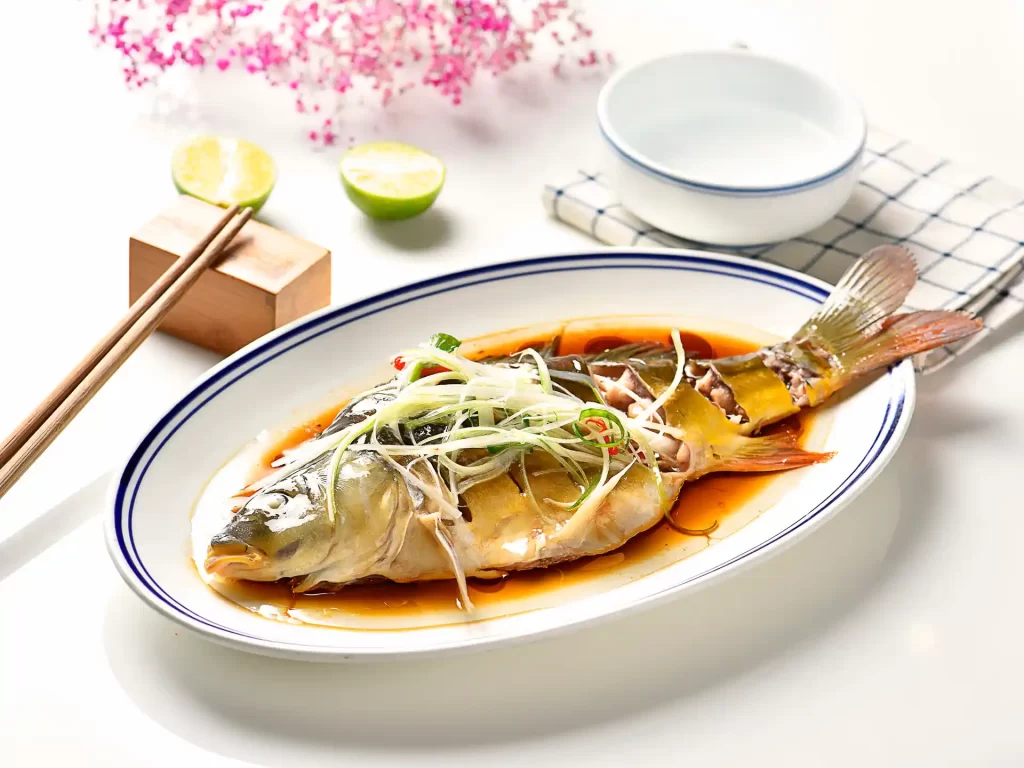
1. Fish — Surplus Year After Year
In Chinese, “鱼” (fish) and “余” (surplus) are pronounced exactly the same, symbolizing surplus year after year and the hope for a rich and stable life. This clever homophone culture makes fish an indispensable main dish at the New Year’s Eve dinner, carrying people’s wishes for material abundance and smooth success in all matters.
Fish can be cooked in many ways: braised in soy sauce, steamed, sweet and sour, or deep-fried. Different methods create fresh, tender, and varied flavors.
A little table etiquette tip: when served, the fish head should face the eldest family member to show respect; the fish should be served whole, with head and tail intact, symbolizing that things are carried through from beginning to end and that every year is abundant.
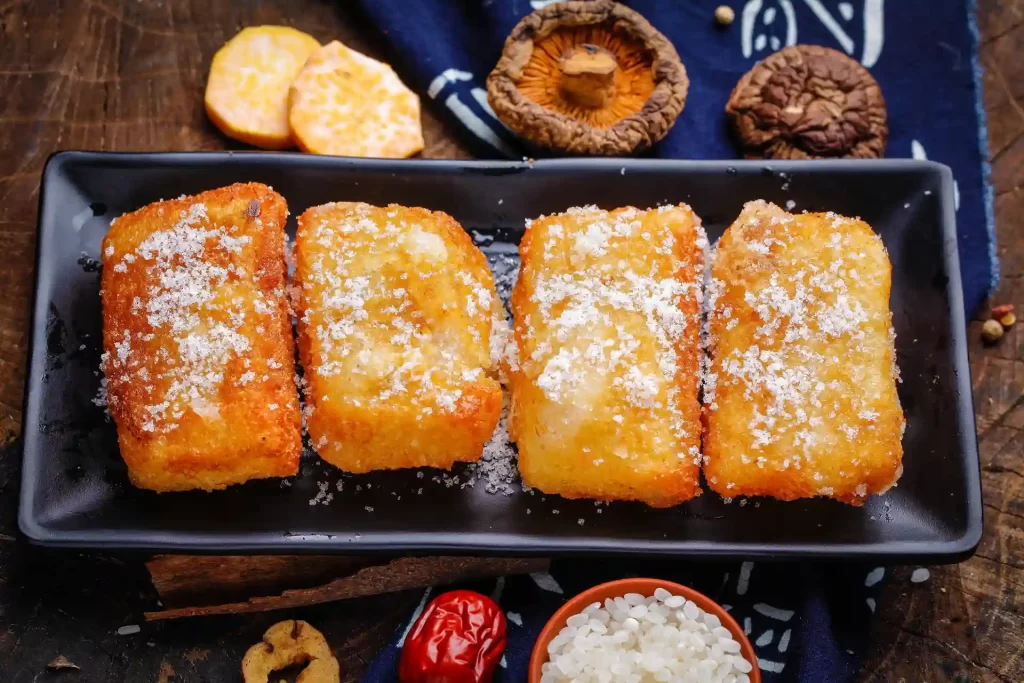
2. Rice Cake — Rising Higher Step by Step
“年糕” (rice cake) sounds similar to “年高” (higher year), symbolizing that each year is better than the last, a career rising step by step, and a life that keeps improving. It carries people’s longing for promotions, salary increases, and better and better days.
Rice cake can be eaten in many ways: steamed, boiled, or most commonly sliced and pan-fried until golden and crisp, then sprinkled with white or brown sugar. Crisp outside and chewy inside, sweet but not greasy, with a long aftertaste.
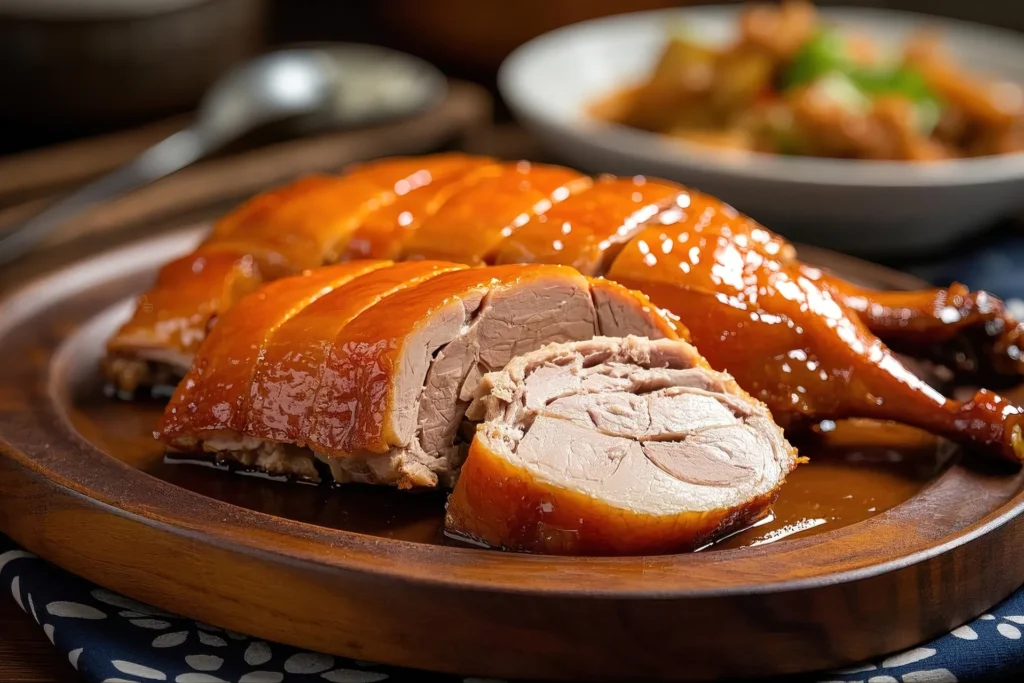
3. Beijing Roast Duck — A Bright Future
Roast duck is bright red and glossy, like a scene of abundant harvest, symbolizing good fortune at the head and a bright future.
The roasting process is complex: pumping air, scalding the skin, brushing with sugar color, and hanging to roast over fruitwood charcoal. The finished duck skin is crisp with a honeyed sheen, and the meat is tender and juicy. When eating, it is sliced thinly, each slice with skin and meat connected, and wrapped in thin pancakes.
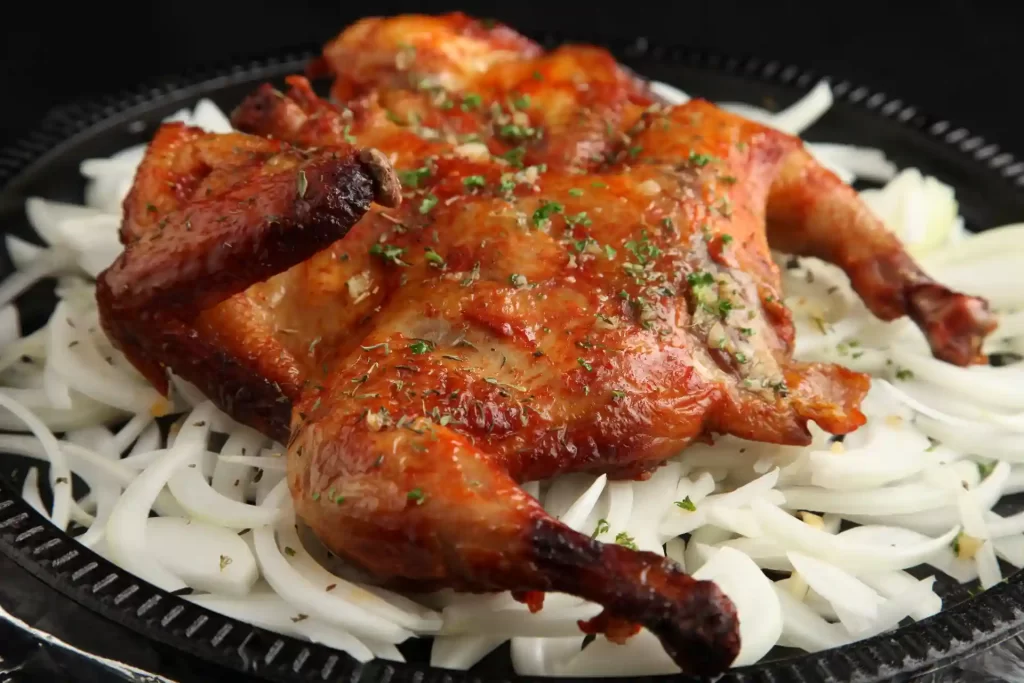
4. Braised Chicken — Great Luck and Prosperity
Braised chicken is golden yellow, symbolizing a house full of gold and jade, and great luck and prosperity.
Traditional braised chicken goes through multiple steps: braising, high-temperature oil blanching, and slow simmering over low heat. The finished skin is glossy and crisp, the meat soft and falling off the bone, with an enticing aroma. People often tear the chicken into small pieces by hand, letting the aroma spread. The flavor is savory and pleasant, neither dry nor tough.
5. Dumplings — Bringing in Wealth and Treasure
Dumplings are shaped like ancient gold ingots and have rich fillings, symbolizing bringing in wealth and blessings and family reunion.
Wheat dough is rolled into thin wrappers, filled with meat, cabbage, scallions, shrimp, and other meat or vegetable fillings, and pinched into ingot shapes. When making dumplings for the New Year, people often hide a coin or red date in the filling; whoever eats it is said to enjoy prosperity in the coming year. Dumplings can be boiled, steamed, pan-fried, or baked. A thin wrapper full of savory filling, with juices bursting at the first bite—the warm, everyday affection of countless families is concentrated in these small dumplings.
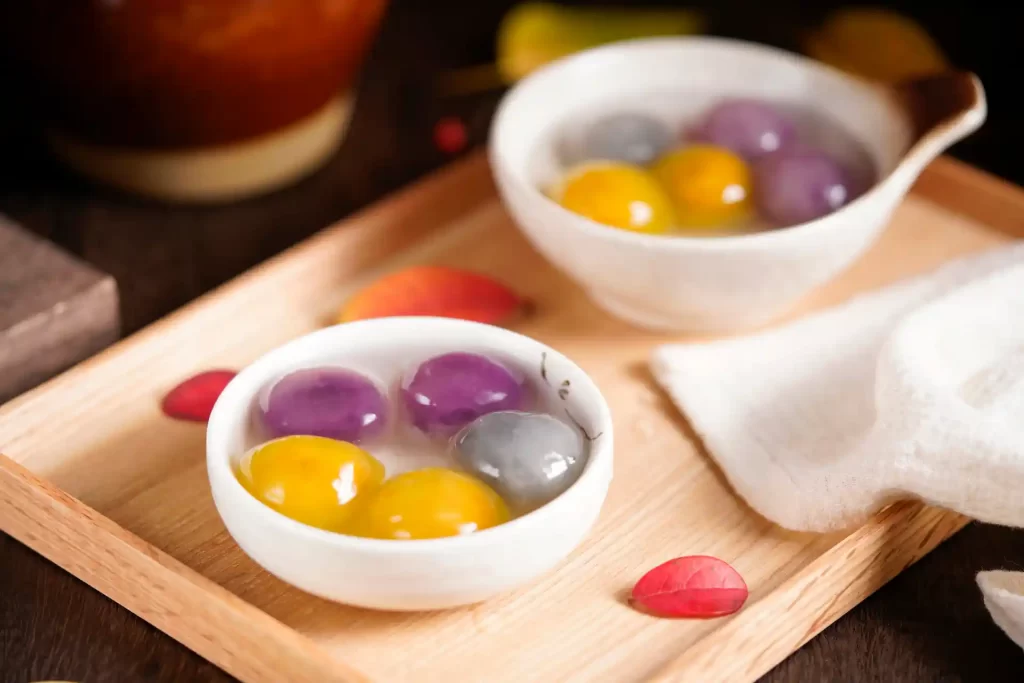
6. Tangyuan — Family Happiness and Completeness
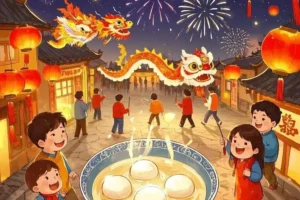
Tangyuan is round and glossy like jade beads, with sweet fillings, symbolizing family reunion and a happy, complete life.
Glutinous rice flour is mixed with water to make the outer skin, filled with black sesame, peanut, brown sugar, red bean paste, and other fillings, rolled into balls, and boiled. A gentle bite releases soft, chewy sweetness. Eating a bowl of hot tangyuan at the Lantern Festival carries the wish for family harmony and gentle, peaceful years.
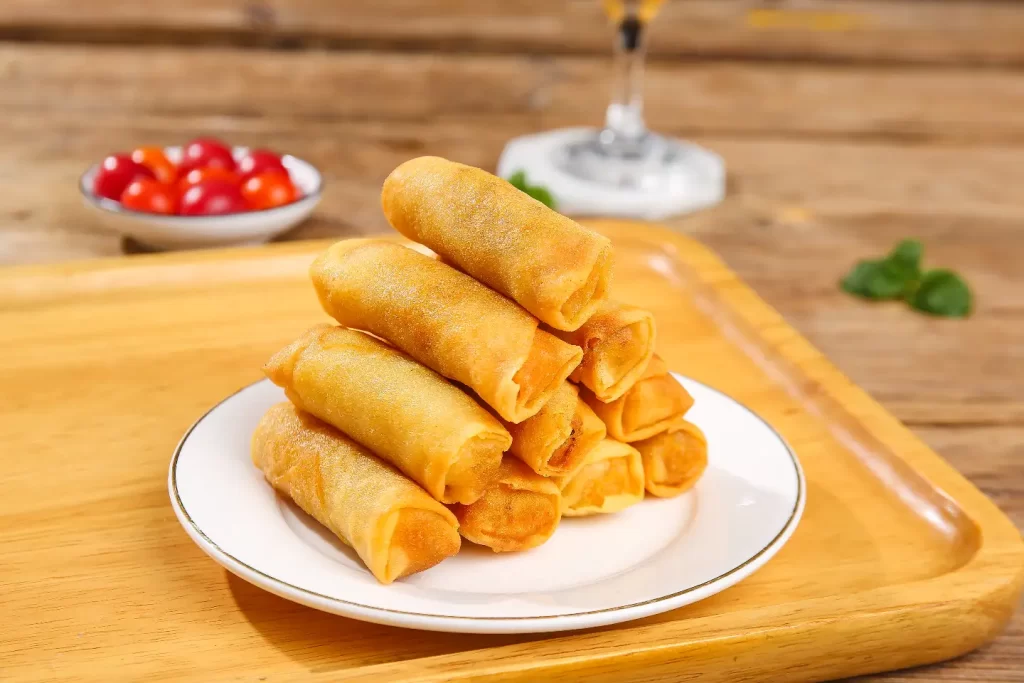
7. Spring Rolls — Welcoming Spring and Blessings
Spring rolls are golden all over after frying, shaped like gold ingots, symbolizing welcoming spring and receiving blessings.
Thin dough wrappers are filled with shepherd’s purse, fresh meat, bean sprouts, scallions, and other savory fillings, rolled up, and deep-fried until golden. The outer skin is crisp, and the filling inside is fresh and juicy, representing the arrival of spring when all things revive.
8. Cured Meat and Sausage — Abundance Year After Year
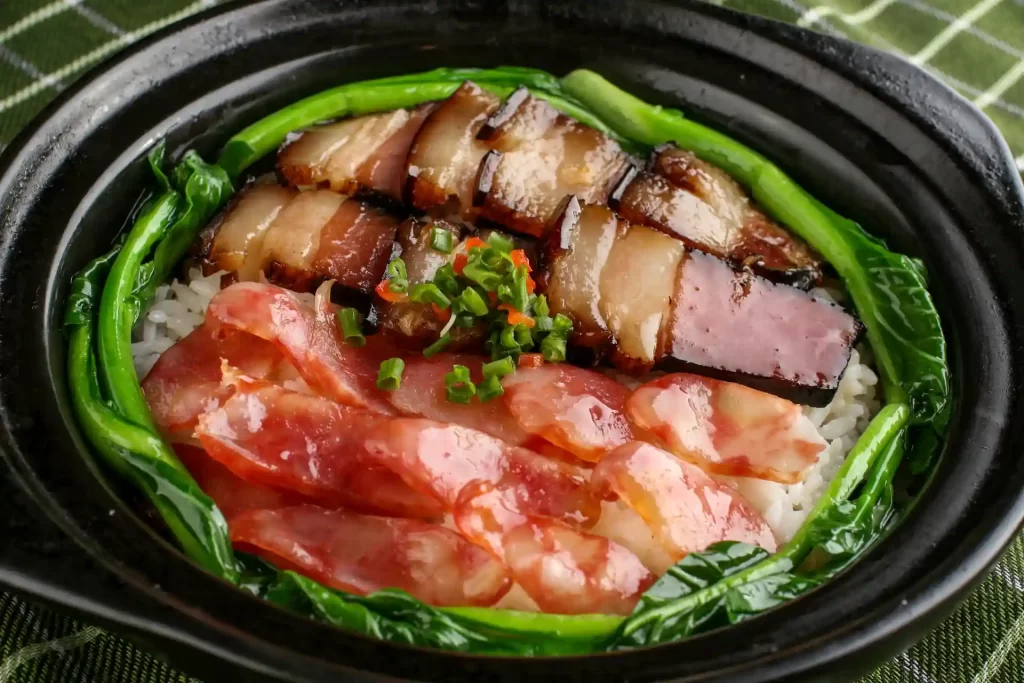
Cured meat and sausage are winter delicacies brewed by time, symbolizing surplus year after year and lasting abundance.
Meat with a balance of fat and lean is selected, marinated with salt, sugar, wine, soy sauce, and spices, then air-dried or smoked, slowly developing a rich flavor. Sliced and steamed, the meat slices are translucent and glossy; simply stir-fried, the whole house fills with fragrance.
9. Brown Sugar Ciba (Glutinous Rice Cake) — Sweet Life
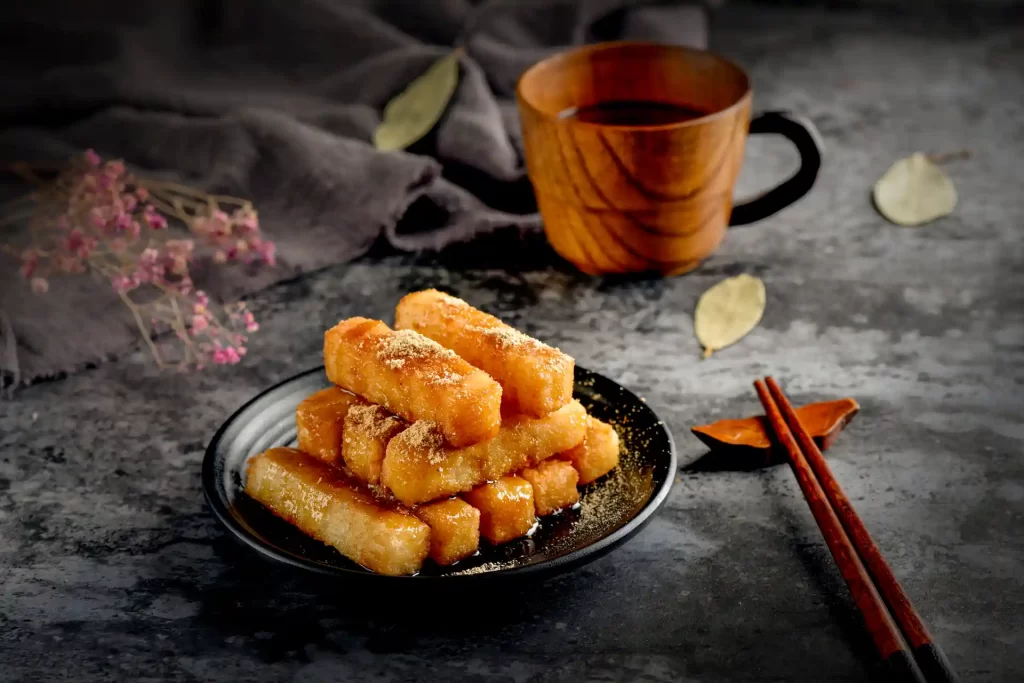
Ciba is crisp outside and chewy inside, coated with sugar powder or brown sugar syrup, symbolizing sweet and happy days.
Steamed glutinous rice is pounded repeatedly, shaped into pieces, pan-fried until golden on both sides, sprinkled with soybean powder, and drizzled with brown sugar syrup, like little golden balls. It is soft, chewy, and springy, sweet and pleasant.
10. Hot Pot — Lively Reunion
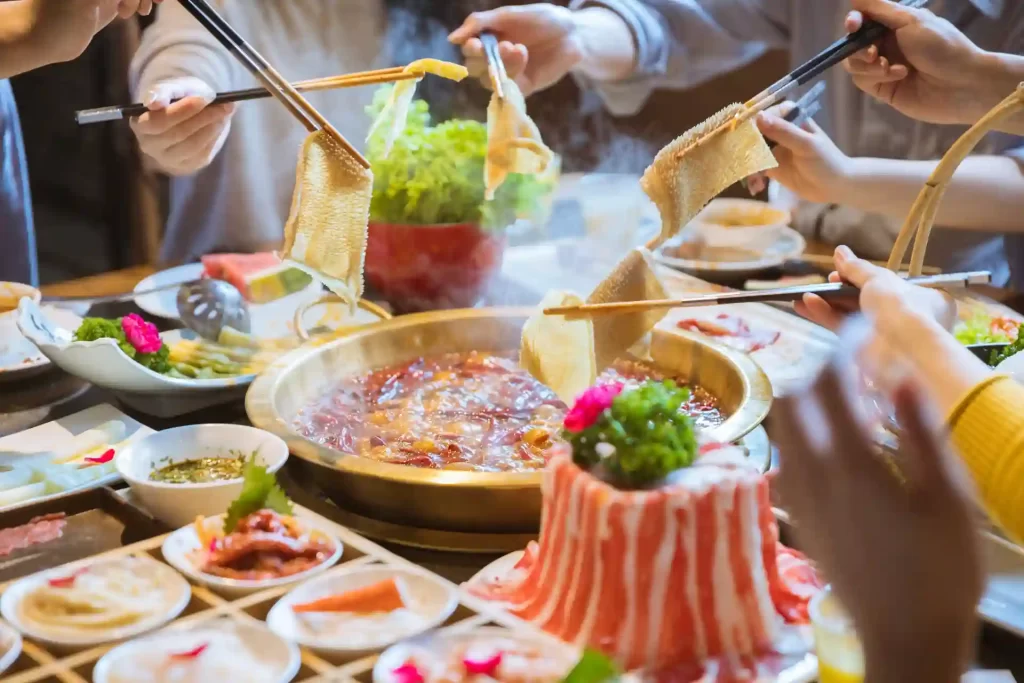
A family sitting around a hot pot symbolizes prosperity and family reunion.
In a boiling red or clear broth, people cook beef, lamb, shrimp paste, various vegetables, and tofu. The ingredients are dipped in seasoning after cooking, filling the body with warmth. Everyone sits around the pot, eating and chatting, with spicy or fresh flavors freely chosen.
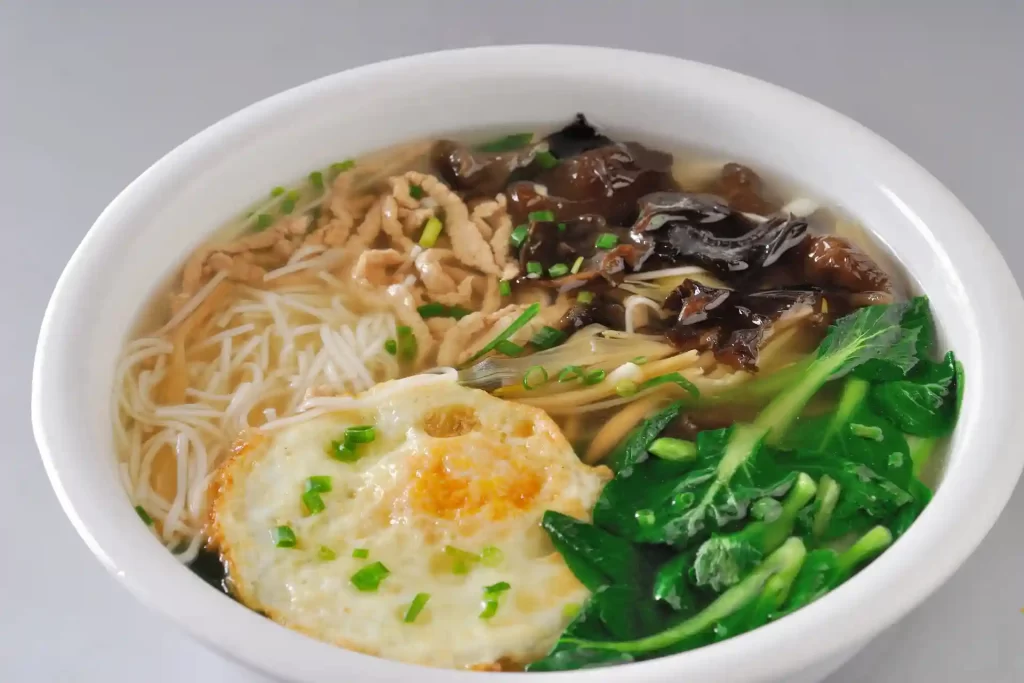
11. Longevity Noodles — Long Life and Lasting Fortune
Longevity noodles should be one complete, unbroken strand, symbolizing health, longevity, and continuous good luck.
Traditional handmade noodles are chewy and smooth. Cooked in rich broth and served with fresh vegetables and a golden fried egg, they are best eaten as a whole strand without biting through, as a prayer for longevity. Younger people often serve longevity noodles to their elders to express filial piety.
12. Eight-Treasure Rice — Wealth from All Directions
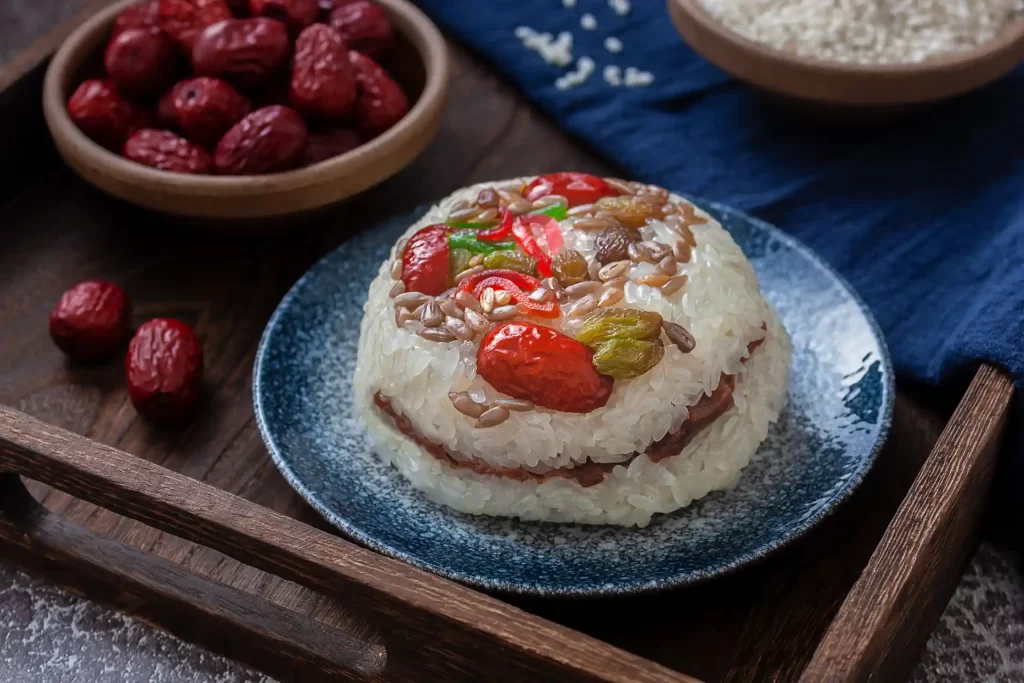
A bowl of eight-treasure rice brings together eight delicious ingredients, symbolizing wealth from all directions and a bumper harvest of the five grains.
Glutinous rice is soaked and steamed, then mixed with lard and sugar; the bottom of the bowl is lined with eight “treasures” such as red dates, lotus seeds, longan, and candied fruit, then filled with glutinous rice, steamed again, and inverted onto a plate, shaped full like a pagoda. The texture is soft, chewy, and sweet, with dried fruit blending with the rice. It is the sweet finale dessert of the New Year’s Eve dinner.
Conclusion
Traditional Spring Festival foods are not just a feast for the taste buds; they are cultural symbols carrying the Chinese nation’s hopes, life philosophy, and wisdom accumulated over hundreds and thousands of years. Every bite at the table is both a pleasure for the tongue and a tribute to tradition, carrying wishes for happiness and prosperity in the new year.
Welcome to China to taste these New Year dishes in person, immerse yourself in the authentic festive atmosphere, and tour the country’s magnificent landscapes.